Hans R. Amrein, Sunday newspaper dated 16.11.2025
Alpine winter tourism must hold its own between climate pressure and luxury trends. Experts assess the situation and outline prospects for the future.
Winter was once the symbol of Alpine identity – a mixture of romance, sporting freedom and economic stability. Today, it is a «stress test»: less and less snow, ever-higher costs, and increasingly critical guests. Switzerland, Austria and southern Germany are in the midst of a structural change that is calling into question the foundations of winter tourism. «Rising temperatures are fatal for ski tourism,» says tourism professor Monika Bandi from the University of Bern. At low altitudes – below 1,500 metres above sea level – snow reliability is becoming a gamble. «One hundred days of guaranteed snow with thirty to
fifty centimetres of snow are becoming increasingly unrealistic.» Marc Olefs, head of climate impact research at Geosphere Austria, confirms: «The natural snow cover will continue to decline in the long term, especially at low and medium altitudes.» Even artificial snowmaking is reaching its limits: «The potential snowmaking periods are becoming shorter, and the demand for water and energy is increasing.» The fact is that artificial snowmaking is expensive and ecologically controversial – it requires resources that are becoming increasingly scarce. Winter is becoming a gamble on the weather.
Between survival and transformation
For Roland Zegg, founder of grischconsulta and initiator of the Alpine Regions Tourism Forum, one thing is clear: «Ski resorts above 2,000 metres have good prospects in the medium term – if they invest in technical snowmaking and complementary offerings. It will be more difficult for resorts at 1,000 to 1,500 metres.» While high-altitude resorts such as Zermatt, Saas-Fee and St. Moritz are capitalising on their location, lower-altitude destinations are under pressure. Entire regions need to reinvent themselves. Zegg warns: «Where temperatures don’t drop below freezing, snowmaking is not an option either.» At the same time,
he points to the need for a balance between quality and quantity:«Alpine regions would do well to carefully maintain their natural resources, balance visitor numbers throughout the year and manage peak periods with foresight.» What was once a popular pastime is becoming an elite leisure activity. «Skiing is developing into a luxury leisure activity,» says Andreas Bärtsch from the tourism consultancy Quant in Flims. In recent years, prices for ski passes, equipment and accommodation have risen sharply. The middle class is withdrawing, while wealthy guests and international markets are becoming more important.
«Skiing is developing into a luxury leisure activity,» says Andreas Bärtsch from the tourism consultancy Quant in Flims.
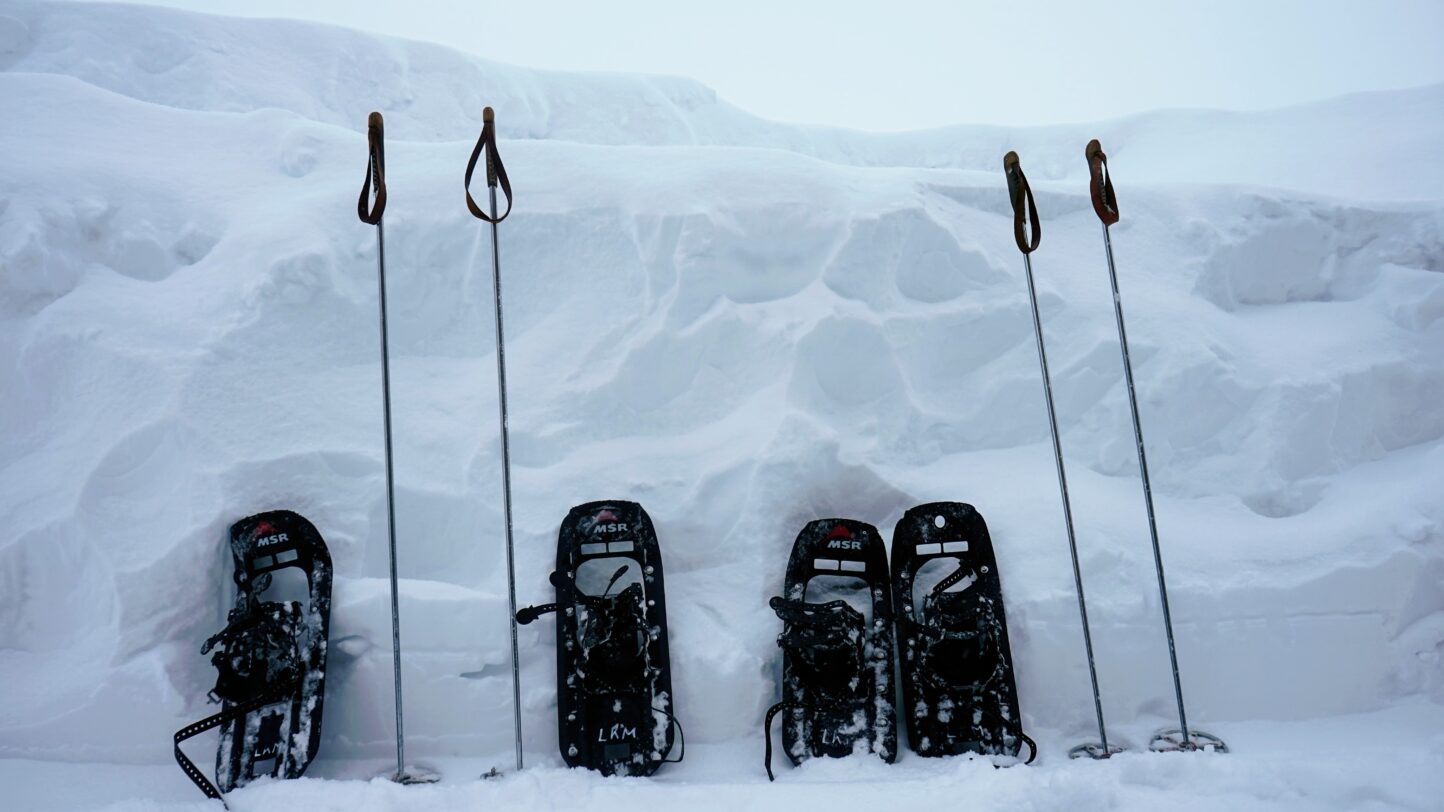
Bärtsch speaks of a ‘division of the market’: on the one hand, high-end destinations with a focus on lifestyle; on the other, small areas with structural problems and declining profitability. ‘All of this plays into the hands of large, internationally oriented destinations with modern infrastructure,’ says Andreas Bärtsch. The result: winter tourism is becoming more selective – and more exclusive. Today’s mountain travellers are looking for more than just pristine slopes. Authenticity, sustainability and relaxation are high on the agenda. ‘In the medium term, winter sports need new offerings,’ says Monika Bandi. Winter hiking, snowshoe tours, spa experiences and regional cuisine are becoming increasingly important.
At the same time, destinations need to sharpen their brands. A recent winter sports analysis from Austria concludes that guest satisfaction is declining in many top destinations. The price-performance ratio is being viewed more critically. Hubert Siller, head of the MCI Tourism Centre, adds: «We need to get the younger generation excited about winter holidays again.» Whereas in the past the focus was on attracting more guests and generating more revenue, today the emphasis is on quality. Tourism professor Jürg Stettler from the Lucerne University of Applied Sciences and Arts sums it up: «In the long term, we will probably have to discuss upper limits for winter tourism.»
Less ski tourism, but more year-round tourism
Kurt Matzler from the University of Innsbruck is also calling for new control mechanisms: digital systems should be used to manage visitor flows and prevent peak loads. However, tourism professor Christian Laesser from the University of St. Gallen takes a pragmatic view of the change: «Alpine destinations have been investing in infrastructure outside the winter season for several years now – for example, in mountain bike trails and summer toboggan runs.»
According to Laesser, the focus is shifting: less ski tourism, but more year-round tourism. The EU tourism project Beyond Snow shows how adaptation can be successful. Ten Alpine destinations have developed strategies to remain attractive despite the lack of snow. Sattel-Hochstuckli SZ will focus on family offers in future, Balderschwang in the Allgäu on cuisine and themed hikes, and Metabief in the French Jura on leisure parks instead of ski lifts.
Climate change becomes a key area for action
«It is crucial that local stakeholders take responsibility and actively shape change,» says Richard Kämpf from the State Secretariat for Economic Affairs (SECO). Politics and business are increasingly pulling in the same direction: climate change will be enshrined as a key area of action for the first time in the new Swiss tourism strategy starting next year. Thomas Egger from the Swiss Working Group for Mountain Regions (SAB) emphasises the importance of joint strategies: «When mountain railways, hoteliers, municipalities and the population pull together, sustainable solutions emerge.» His conclusion: winter, it seems, is on the threshold of a new era:
fewer kilometres of slopes, more attitude.«The future of winter tourism spans the entire year.» What remains is a tension between emotion, economy and ecology. Winter is losing its reliability, but not its fascination. «Winter is fresh, dynamic and profitable – at least where it is taken seriously,» says tourism and mountain railway expert Roland Zegg. In short, the future of winter in the Alps will be more selective, more sustainable and more honest. Not every place will remain a ski destination, but many can reinvent themselves – as places of retreat, nature, culture and encounter. Alpine winter, it seems, is on the threshold of a new era: fewer kilometres of slopes, more attitude.